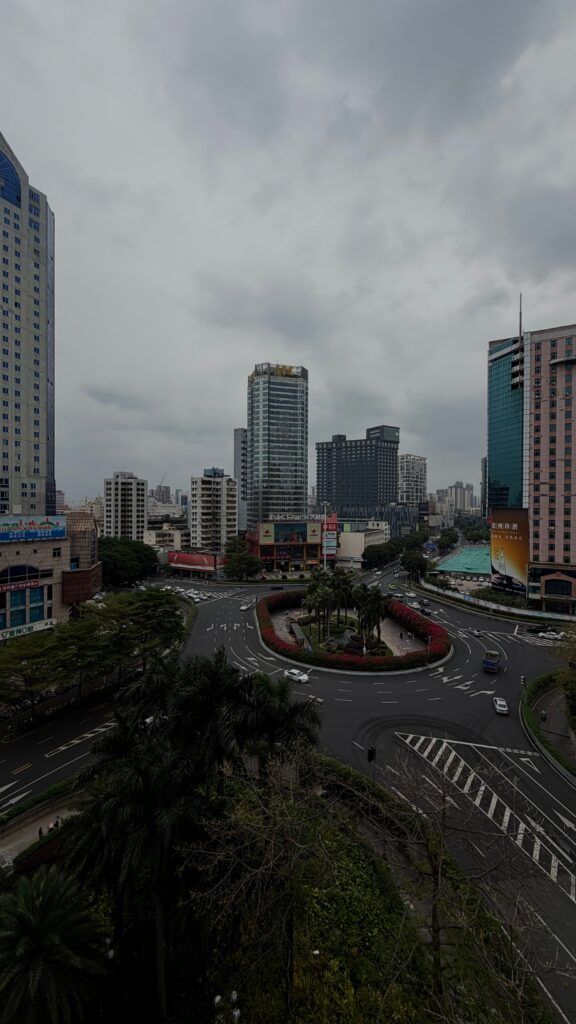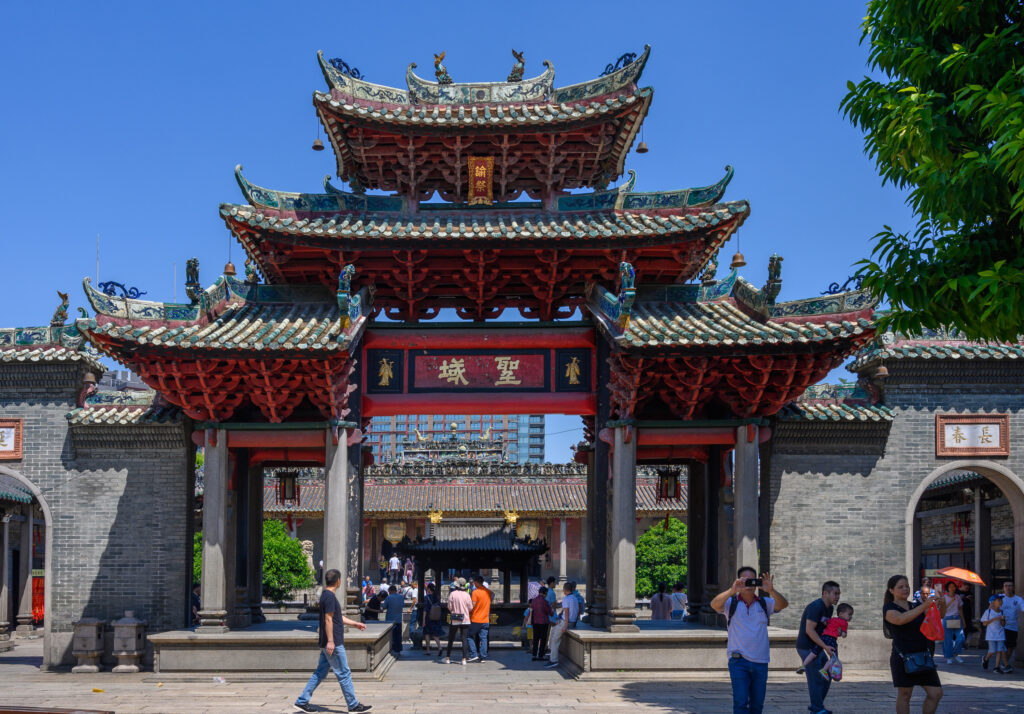
Foshan is often treated as a supplier city attached to Guangzhou. That is only half the story. For first-time visitors, Foshan can also be one of the most legible culture cities in Guangdong because martial arts, temple memory, pottery, garden life, and food culture all sit close to each other.
Start with Zumiao if you want the clearest cultural anchor
Zumiao Museum is the best first stop when you want Foshan’s historical identity explained quickly. The wider museum area includes the old temple complex and the cultural memory around Wong Fei-hung and Ip Man. Even visitors who do not plan a museum-heavy day usually find this stop useful because it gives the rest of Foshan more context.
Go to Nanfeng Ancient Kiln for craft history that still feels alive
Official and media descriptions of the Nanfeng Ancient Kiln area emphasize how much of the historical neighborhood fabric is still visible there. That makes it stronger than a single-object monument. The kiln area, old residential fabric, ceramic storytelling, and hands-on pottery experience all help visitors read why Shiwan ceramic culture matters in Foshan.
This is one of the best places in the region for travelers who want something more tactile than a standard museum visit.
Use Qinghui Garden when the route needs elegance and old-town pacing
Qinghui Garden is usually the right answer when the traveler wants a calmer, more refined side of Foshan. Recent local coverage still positions it as a cultural core of the wider Shunde old-town zone. It pairs naturally with nearby food streets and traditional urban texture, so it works well for slower personal or hosted group schedules.
Add Xiqiao Mountain when the trip needs a bigger landscape story
Xiqiao Mountain is useful when Foshan should not feel purely urban. Current Foshan cultural positioning treats Xiqiao as more than a scenic hill. It is framed as a large cultural symbol with deep regional history, long archaeological depth, and a broader civilizational role inside the Pearl River region.
That means Xiqiao is a good upgrade path when the client wants nature plus meaning rather than just another lookout point.
Who Foshan is best for
- Business travelers who also want one or two serious culture stops.
- Visitors interested in ceramics, craftsmanship, or martial arts history.
- Food-focused travelers using Shunde as a culinary destination.
- Private or small-group routes that need a softer pace than central Guangzhou or Shenzhen.
Foshan is not just the place you pass through to visit factories. It is one of the most useful culture-heavy additions to a Guangdong route.
Plan this guide in context
Use the Foshan destination guide to decide whether this subject fits the route. Confirm transport, entry, payments, and current operating details in the planning hub before booking.