How to use this itinerary
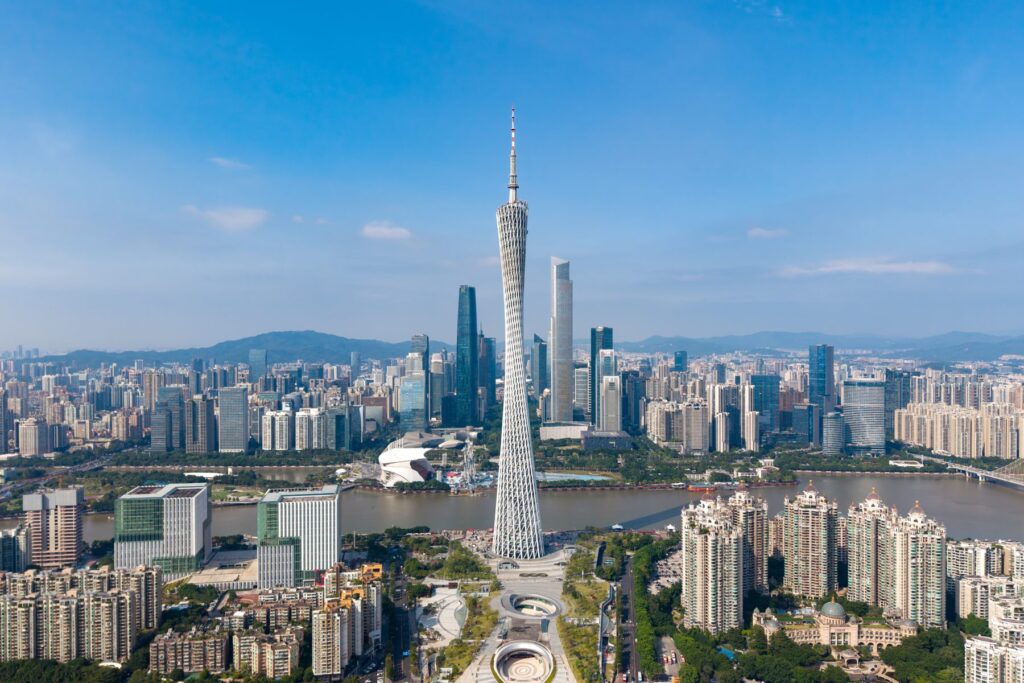
This four-to-five-day route treats meetings and supplier geography as the backbone, with sightseeing fitted around them rather than the other way round. Your appointment locations, station transfers, and luggage logistics drive the real schedule, so the plan is built backwards from confirmed meetings. Guangzhou covers trade, sourcing, and older commercial districts; Shenzhen covers technology, hardware, and design. Build in buffer time for delays, and keep a printed or offline copy of key addresses — signal and app access can be less reliable than at home.
Why this route works
Concentrating each city’s activity in one principal business district cuts travel time between appointments and leaves you close to wherever you need to be next. The Guangzhou-Shenzhen high-speed rail link is fast and frequent, so moving between the two cities costs little more than a long commute, provided you plan around the station rather than the map. Scheduling cultural or waterfront stops only after your working blocks are secure protects the priorities: you never have to choose between a client and a museum, and a meeting that overruns does not cost you a paid activity.
How to adjust it
Fair dates, factory locations, interpreter needs, and cross-border plans can reshape this route entirely, so treat the outline as a starting frame. If a major trade fair is on, book hotels and trains far ahead and expect to base yourself near the venue. Add Hong Kong only for a clear reason — a specific meeting, a flight routing, or a client relationship — because it adds a border crossing and eats a half-day. Travelers mixing work and leisure can append a short weekend, but keep it separate from appointment days. Always leave the last working day light in case a follow-up meeting is requested.
Continue planning: Guangzhou · Shenzhen · Hong Kong · practical planning guides.