Service Explorer
Choose the Kind of Local Support the Route Actually Needs
Good service is not “more people around the trip.” It is better route logic, cleaner movement, and the right level of local help before the route becomes expensive, rushed, or confusing.
Support Tracks
Support arranged by the stage of your trip
From pre-arrival preparation to on-the-ground support — each layer covers a different stage of your journey.
Pre-Arrival Planning
Use this when hotel zones, city sequence, train-air logic, fair dates, supplier timing, or border crossings need to be right before arrival.
- Hotel area suggestions based on meetings, train stations, and day pacing.
- Canton Fair, supplier, and showroom route logic across Guangzhou, Foshan, and Shenzhen.
- Cross-border timing for Hong Kong, Zhuhai, and Macau combinations.
On-the-Ground Coordination
Use this when airport transfers, multi-stop days, interpreters, drivers, hosted movement, or difficult city-to-city handoffs need local control.
- Airport pickup, rail-station pickup, and city-to-city transfer support.
- Private car and driver for business-heavy or mixed-purpose schedules.
- Interpreter or bilingual assistant support for meetings and factory visits.
Human-Centered Add-Ons
Use this when the trip should feel more coherent, with food, culture, old streets, and breathing room instead of nonstop logistics.
- Food-first evenings in Guangzhou or Shunde after work-heavy days.
- Heritage, tea-house, or neighbourhood pacing for first-time visitors.
- Scenic Guangxi or coastal add-ons when the route needs relief and atmosphere.
Hosted Groups and Delegations
Use this when a route has multiple people, mixed ages, business and leisure overlap, or a need for clearer pacing and less friction.
- Smaller group movement with realistic meals, rest, and transport windows.
- Executive hospitality with cleaner city selection and less wasted transfer time.
- Better route sequencing so each city has a clear reason to be there.
Coverage Priority
The service map should follow the same geography as the site
Support is strongest when the commercial core, the cross-border layer, and the scenic extensions are described in the right order instead of being flattened into one menu of options.
Guangdong Core
Guangzhou, Foshan, Shenzhen, and Zhuhai carry the strongest demand for fairs, factories, food, meetings, and realistic first-time route logic.
Hong Kong + Macau Layer
Use Hong Kong and Macau when the route needs premium arrivals, harbour-city contrast, hospitality, or a cleaner cross-border finish.
Guangxi Extension
Add Guangxi after the urban core when the trip needs scenery, slower recovery, Guilin, Yangshuo, or a softer ending.
Second-Wave Provinces
Hunan, Guizhou, Fujian, Jiangxi, and Yunnan belong in the next content layer, with Hunan written around real demand and Zhangjiajie treated as a key city inside it.
Service Ladder
The route usually improves in this order
Clarify the real work
Before talking about cars or interpreters, define whether the route is solving fairs, suppliers, family comfort, or premium hosting.
Reduce unnecessary movement
Most support failures come from bad city order, weak hotel geography, and overloaded same-day transfers.
Add the human layer
Once the skeleton works, add meals, culture, or slower evening rhythm so the trip feels intentional instead of merely busy.
Use Cases
Common trip scenarios we help with
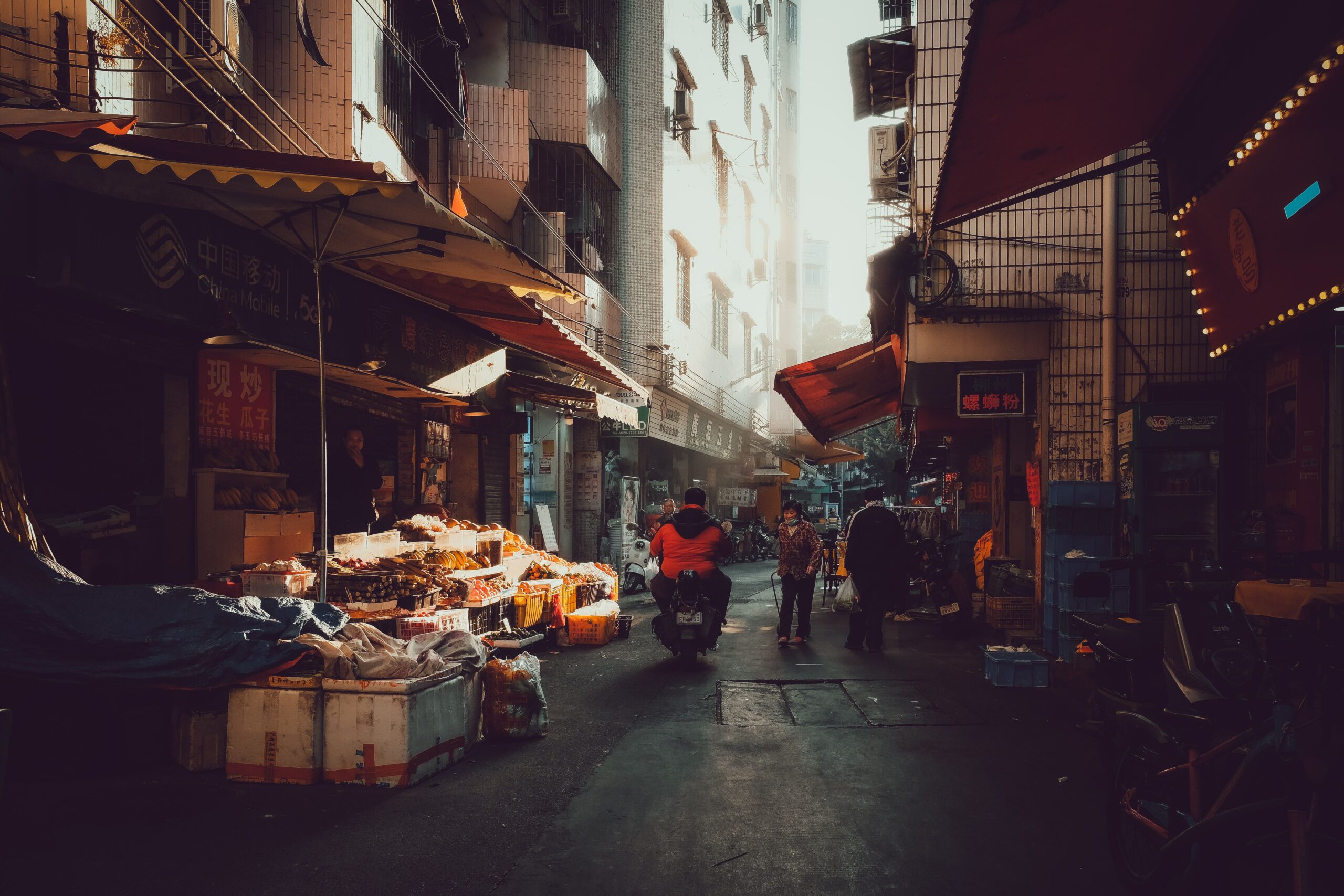
Use case
Canton Fair and Trade Visits
Best when the trip needs fair days, supplier follow-up, market visits, interpretation, and still enough evening structure to make Guangzhou feel like a city, not only a fair hall or transfer machine.
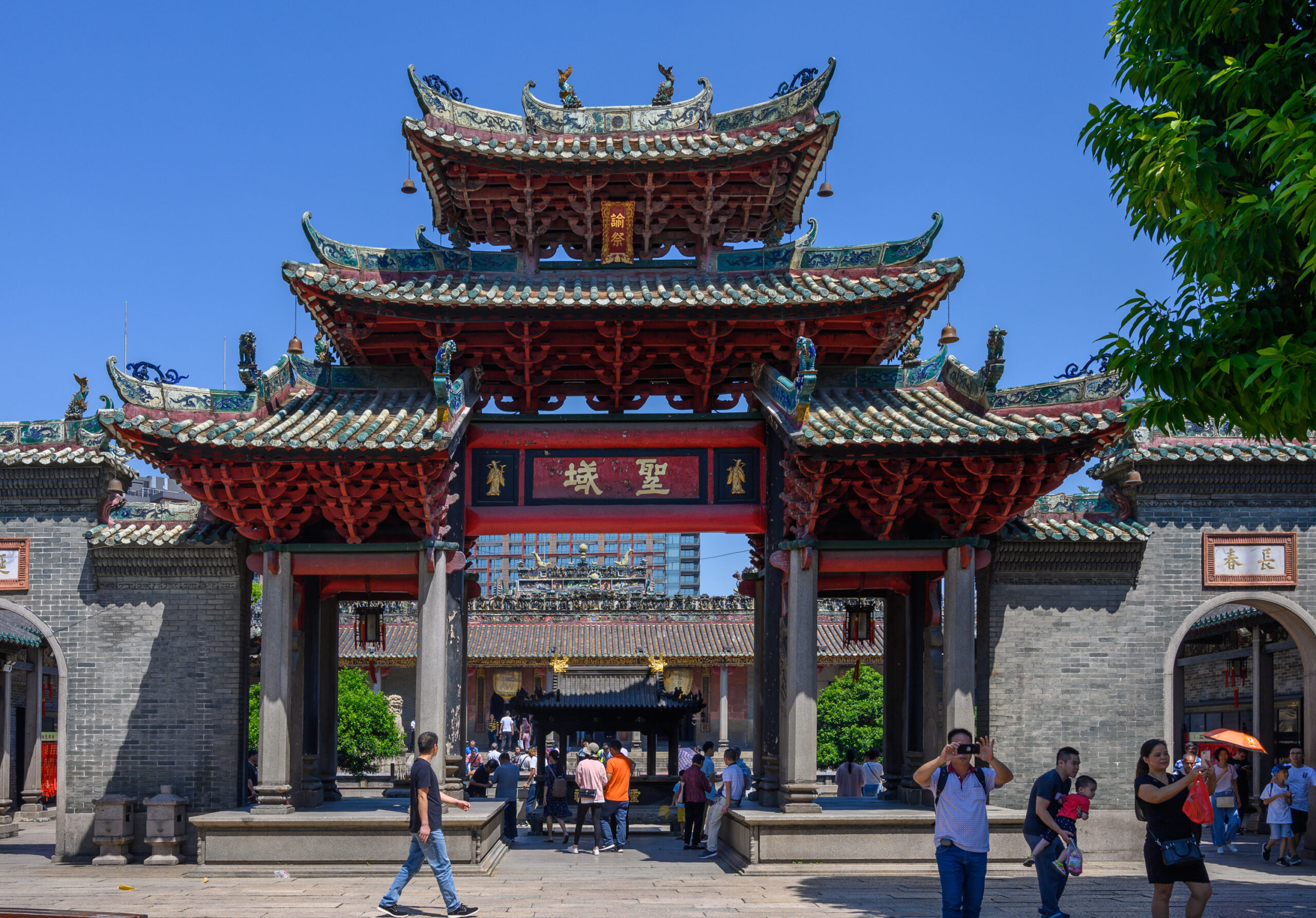
Use case
Factory and Showroom Routes
Best for furniture, ceramics, building materials, appliances, or industrial sourcing where Guangzhou-Foshan logic, district order, and driver timing matter more than generic sightseeing.
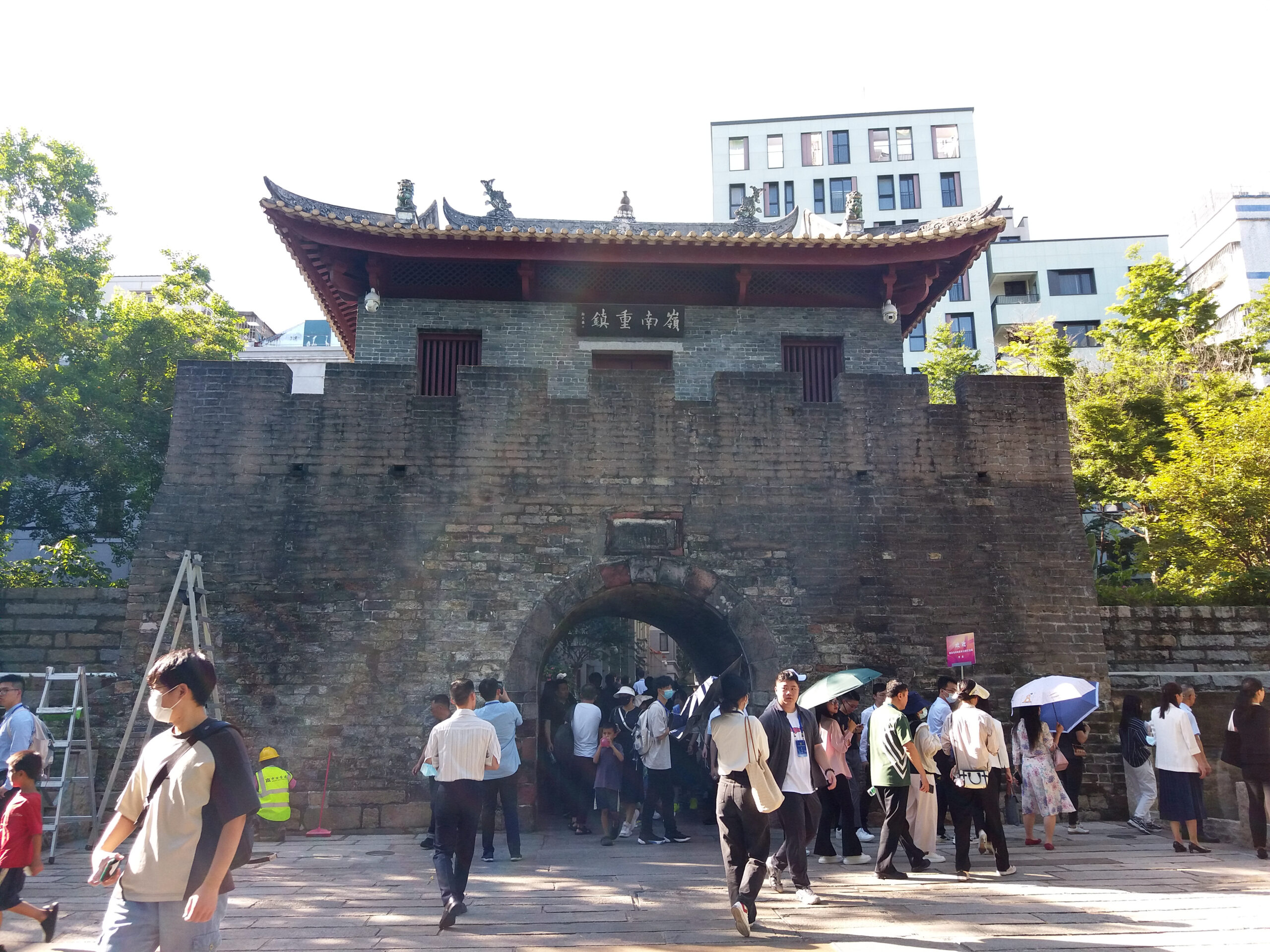
Use case
Technology and Product Sourcing
Best for Shenzhen-Hong Kong routes, electronics, product development, border-adjacent meetings, and shorter, faster urban movement with less historical padding.
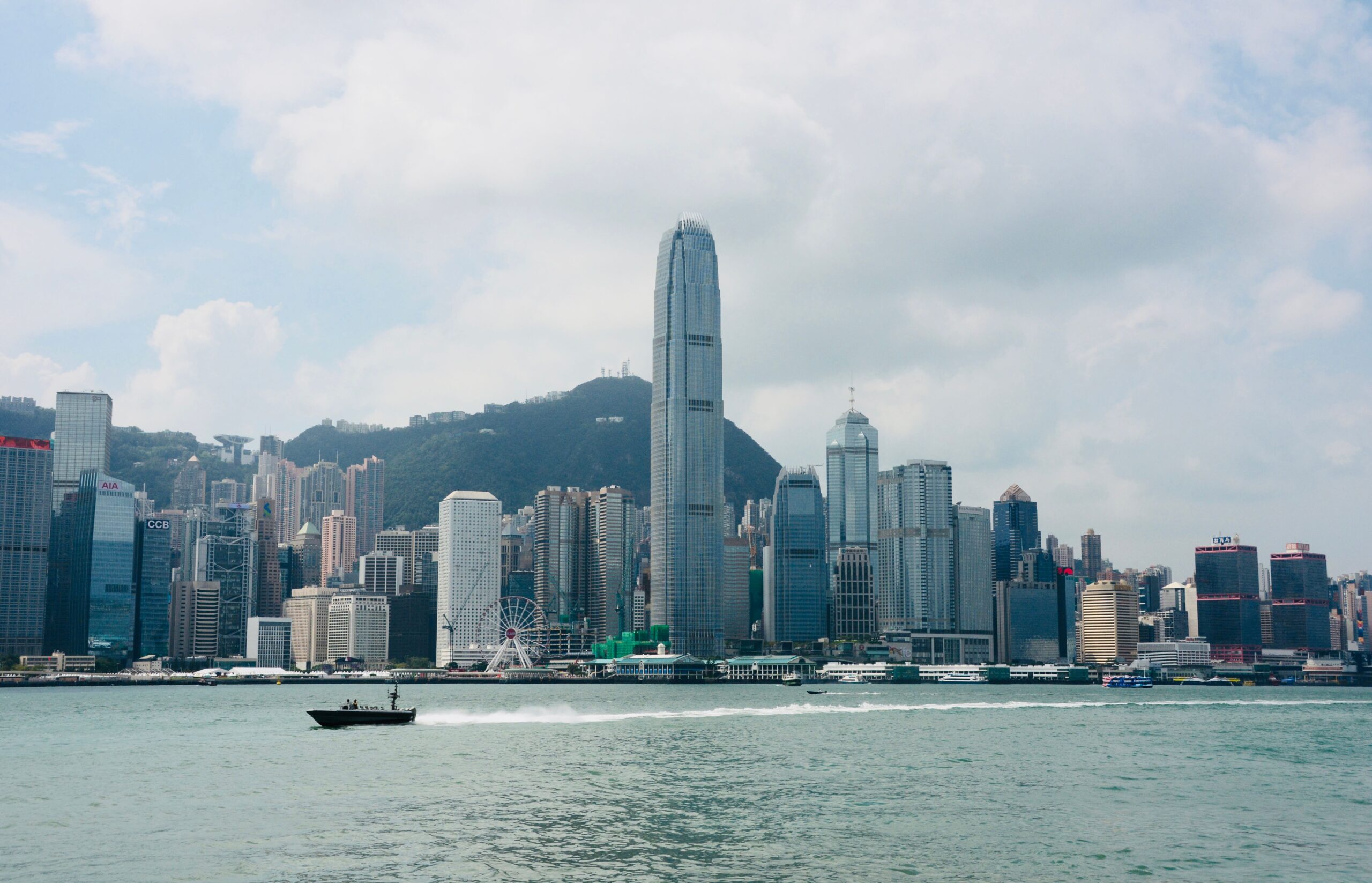
Use case
Cross-Border Premium Routing
Best when hospitality, harbour cities, executive arrivals, Macau add-ons, premium hotels, or a more polished urban rhythm matter.
Service Principles
What the service is actually trying to protect
The strongest support is not about filling every minute. It is about protecting coherence, reducing wasted movement, and leaving enough energy for the part of South China people will actually remember.
Each city needs a reason
If Guangzhou, Foshan, Shenzhen, Hong Kong, Macau, or Guangxi are all in the route, each stop should solve a different need.
Core first, expansion second
Most trips should become legible through Guangdong, Hong Kong, Macau, and Guangxi before adding Hunan, Guizhou, Fujian, Jiangxi, or Yunnan.
Pacing beats coverage
One calm, well-sequenced day usually performs better than three compressed ones.
Culture is part of service
Tea houses, food, old streets, and local rhythm improve route quality; they are not just decoration.
Cross-border buffer is not optional
Hong Kong, Zhuhai, and Macau combinations should be planned with time cushions, not optimism.
Next Step
If the route already exists, pressure-test it before booking too much
This site now gives clearer region and service logic. Use that before the trip hardens into a route that looks busy but works badly.