Culture & Local Life
Understand South China Through Habits, Craft, Food, and Older Urban Memory
The region becomes more legible when people stop reading it only through skylines and transport. This page reframes culture as a route lens: how people build, eat, perform, gather, walk, and preserve place.
Coverage Priority
Culture should also follow the site hierarchy
The cultural reading of this site should still begin in Guangdong, then move through Hong Kong, Macau, Guangxi, and only after that into the wider southern provinces.
Guangdong first
Lingnan craft, food rhythm, old streets, temple space, and Pearl River Delta life should remain the main cultural base of the site.
Hong Kong and Macau as contrast
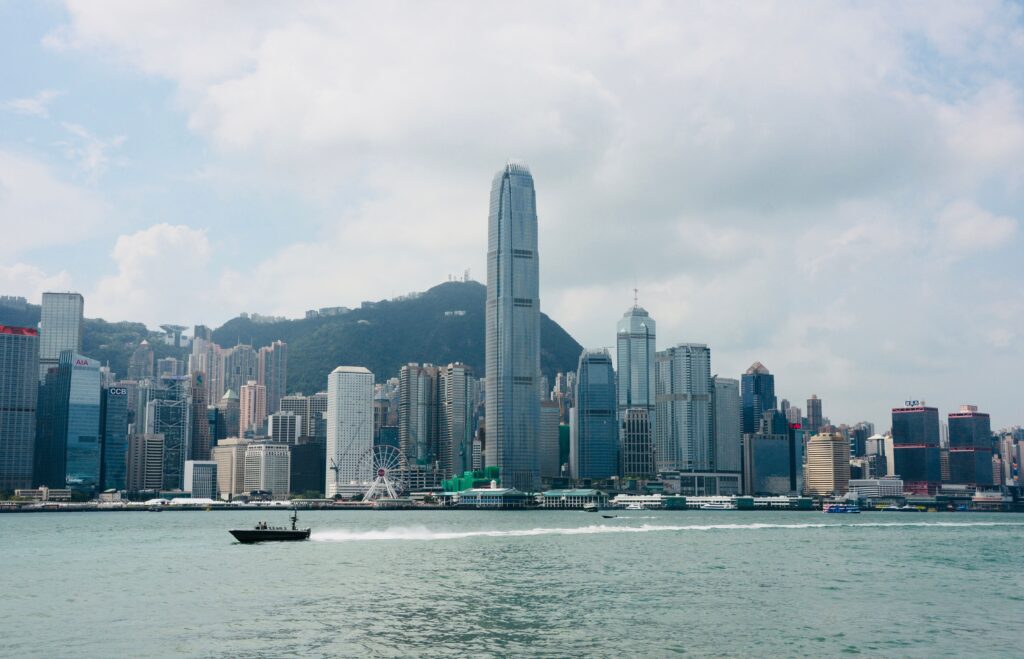
Use harbour cities, colonial layers, hospitality, and compact urban memory as a second reading layer, not as replacements for the mainland core.
Guangxi as scenic culture
Guangxi works best when landscape is tied to village life, river labour, terraces, and slower route rhythm.
Second-wave provinces later
Hunan, Guizhou, Fujian, Jiangxi, and Yunnan should deepen after the South China core is clear, with Hunan written through real cities like Changsha, Fenghuang, and Zhangjiajie.
Reading Layer
Three ways to make the region feel less generic
Read the material world
Doors, carving, temple geometry, kilns, ceramics, paving, and shade all tell you what kind of city you are in.
Read the social rhythm
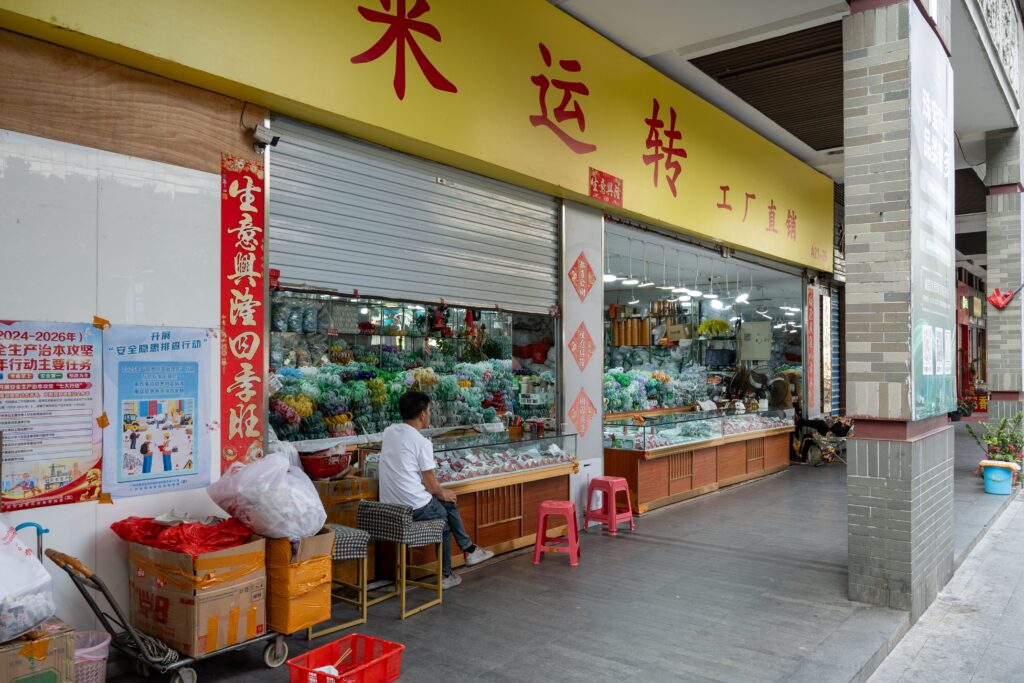
Tea, market hours, dinner timing, promenade habits, and older walking districts explain how the day is actually lived.
Read what survives inside change
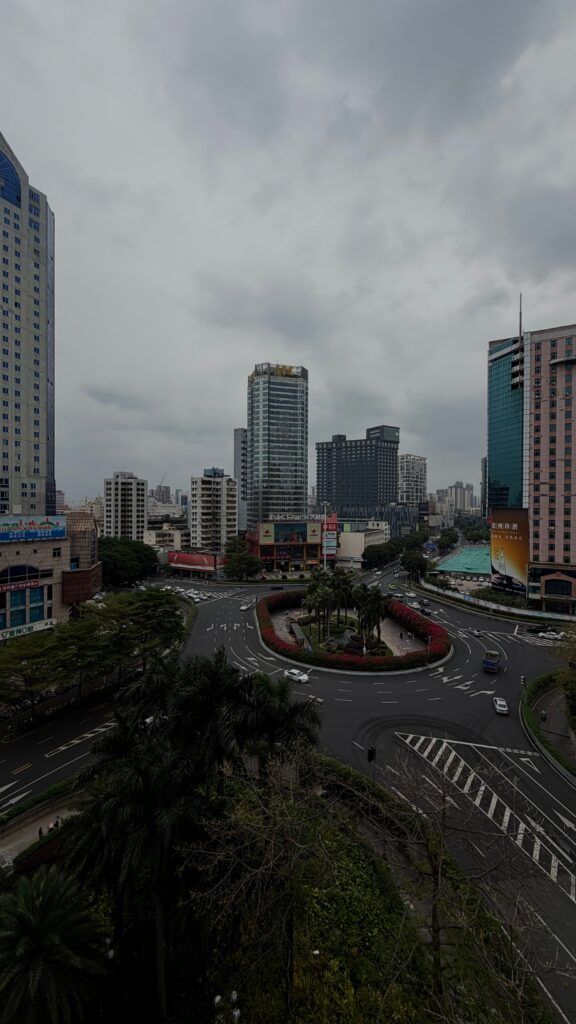
The most interesting cultural moments are often where old structures, habits, or rituals still persist inside a modern skyline.
Culture Lenses
Explore South China through different cultural perspectives
From Lingnan craft and Cantonese opera to tea culture and everyday street life — each lens reveals a different side of the region.
Lingnan Craft and Architecture
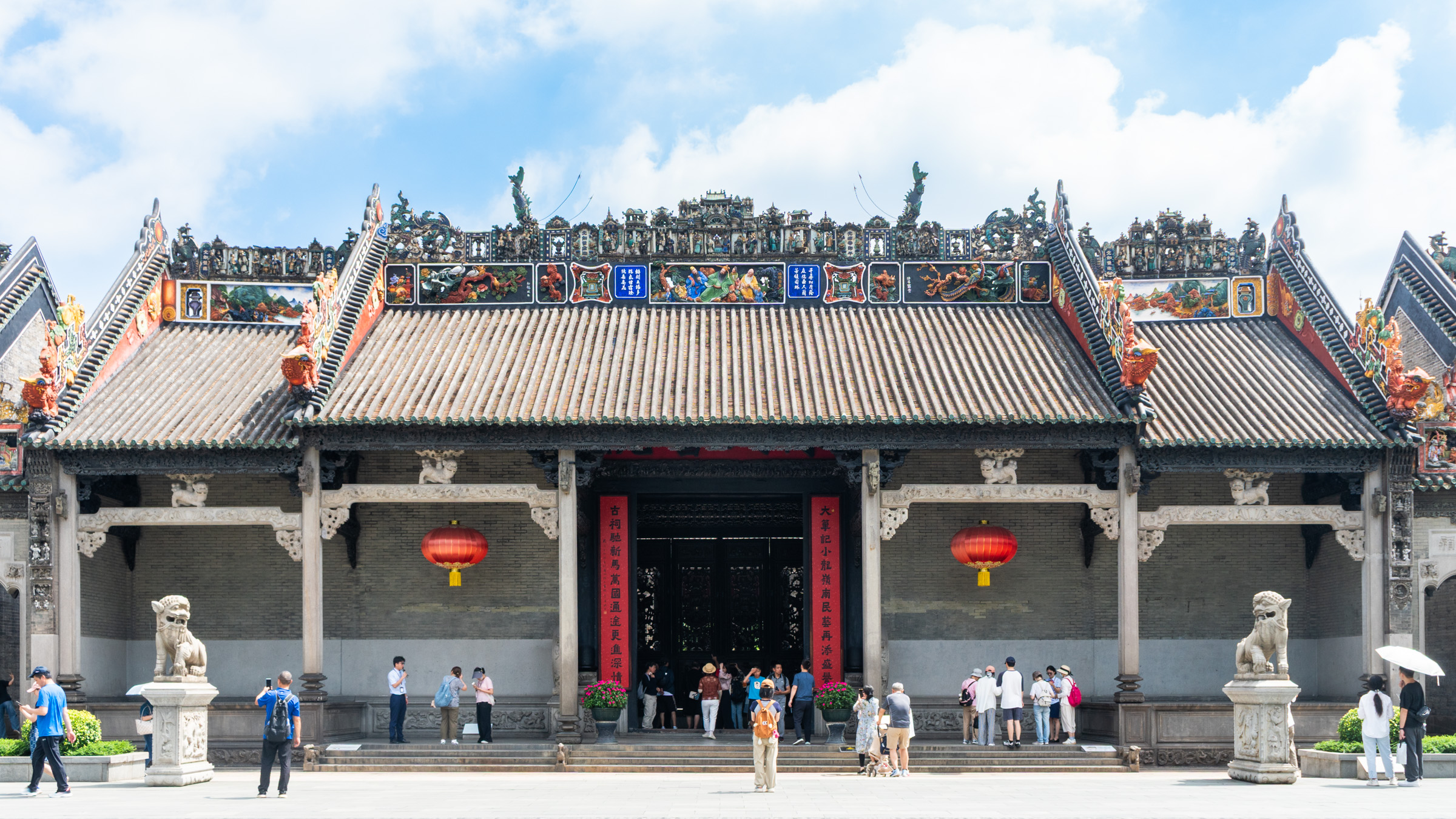
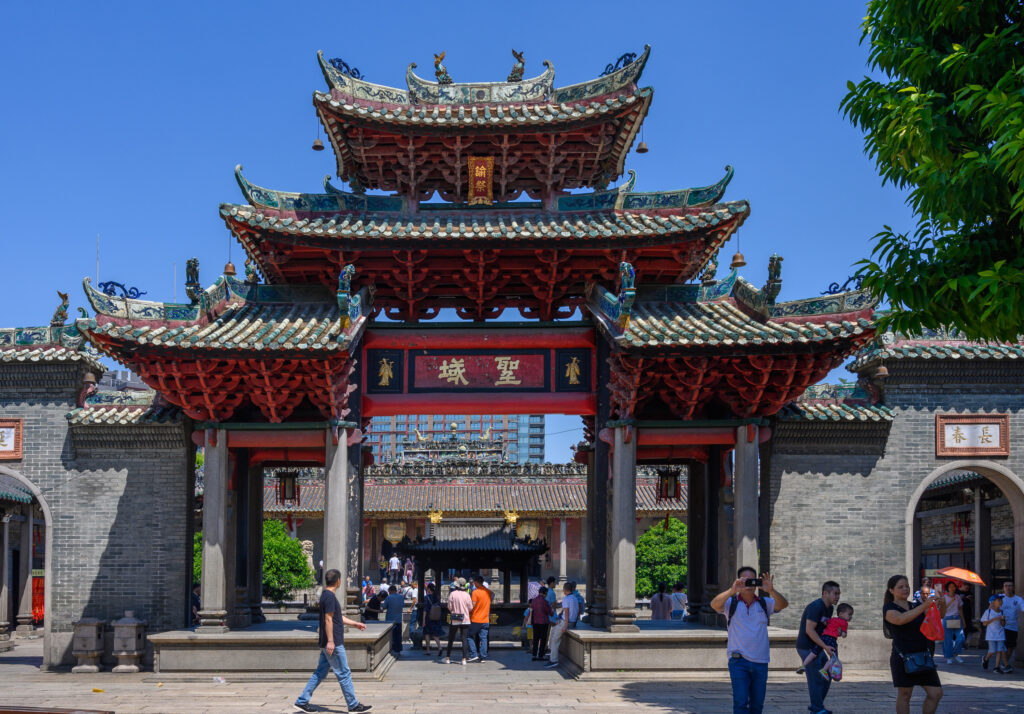
Read the region through ancestral halls, carvings, kilns, decorative programs, and how built space carries memory.
Tea houses and street appetiteFood and Social Rhythm
Morning tea, Shunde confidence, banquet pacing, markets, and the habit of using meals to understand local life.
Memory inside modern citiesOld Streets and Historical Roots
Use Nantou, old Guangzhou lanes, temple districts, and harbor-facing urban fragments to make cities feel less generic.
Guangxi and second-wave provincesLandscape and Cultural Breath
Scenery matters more when it is read through village life, labour, water systems, and the slower tempo of the route, whether in Guangxi first or later in Hunan, Guizhou, or Yunnan.
Cultural Anchors
Where this understanding becomes visible on the ground
On the ground
Guangzhou: craft, opera, and old-city texture
Chen Clan Ancestral Hall, Yongqingfang, and the wider Xiguan fabric make Guangzhou one of the best introductions to Lingnan visual language.
On the ground
Foshan: martial memory, kilns, and Shunde appetite
Foshan culture arrives through temple space, lion dance associations, pottery fire, and a food world that changes the pace of the whole route.
On the ground
Shenzhen: young skyline, older roots
Nantou and Dapeng matter because they interrupt the idea that Shenzhen is only towers, malls, and fast development.
On the ground
Guangxi: scenery with human context
Li River and Longji matter more when they are understood as lived landscapes rather than postcard backdrops.
Practical Courtesy
Culture is also how the route behaves
Human-centered travel is not only about what to see. It is also about how the route uses time, food, walking, and buffer. These habits often decide whether the place feels readable or superficial.
Slow down for meals
Food is often where local rhythm becomes visible. Rushing through it weakens the route.
Walk before you optimize
Old neighbourhoods and heritage districts reveal themselves through pace, not speed.
Look for habits, not only landmarks
Temple behaviour, tea-house seating, market flow, and family dining all explain place.
Leave cultural buffer on cross-border days
Harbour cities and border transfers feel better when there is room to arrive, not only transit pressure.
Next Step
If the trip needs more than landmarks, continue through the Guides library
Culture now works as a reading layer inside the wider guides structure, which makes the site easier to browse and easier to organize around themes like heritage, food, and route logic.