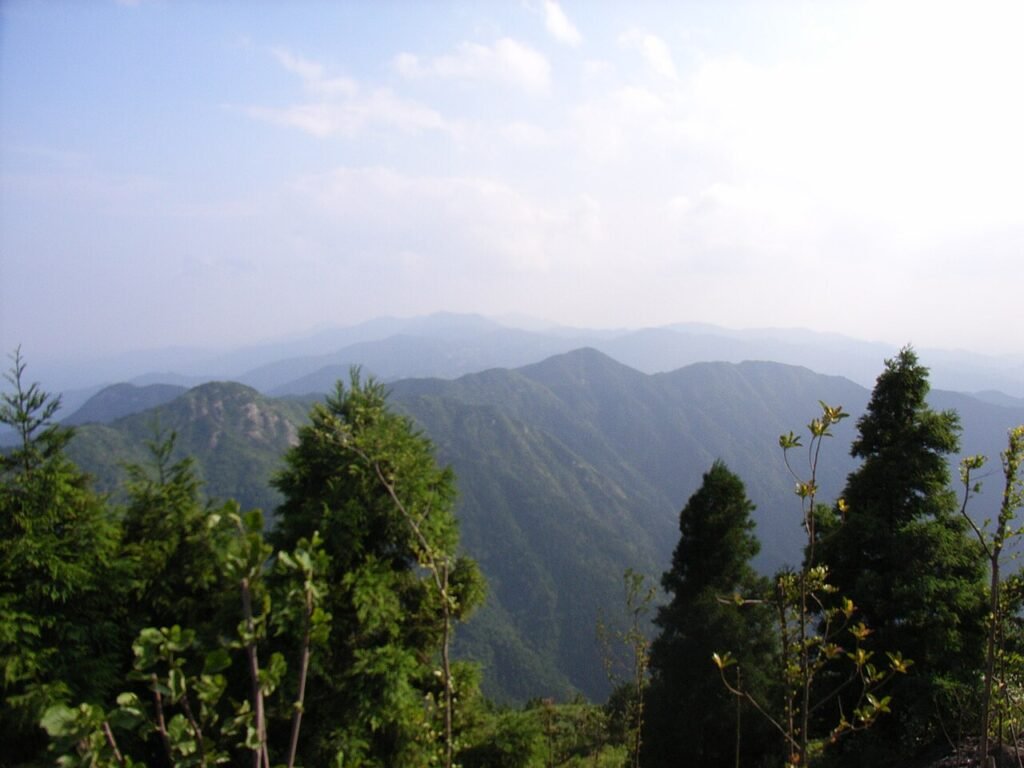
Hengyang (衡陽市) is the gateway to Mount Heng, also called Nanyue, and the logistics are forgiving: the mountain is close to the city, the rail link is strong, and the climb is modest. The planning question is how much of a day to give it and how to fold it into a Hunan itinerary without duplicating the mountain experience you get at Zhangjiajie. This guide covers access, time, season and sequencing.
How to reach Hengyang and the mountain
Hengyang is on the Beijing to Hong Kong high-speed corridor, south of Changsha, with frequent services from the provincial capital and onward links toward the west. The mountain itself, Nanyue, is in the city’s Nanyue District rather than the urban core, so after the train you still transfer by road to the foothill town and the temple entrance. Confirm the exact station and the local transfer through official sources, because the city station and the mountain entrance are not the same place and the last leg is easiest when planned in advance. Within the mountain area, shuttle buses and paths connect the temple, the cable car and the upper peaks.
How much time to allow
A focused visit is one full day: the temple at the foot in the morning, then the ascent by cable car or path to Zhurong Peak, and a descent before dark. Two days allows a slower walk through the side temples and the water-screen cave without rushing, which suits travellers who care about the religious and literary layers. An overnight on the mountain is possible but not necessary for most routes, since the foothill town covers basic needs. The common error is treating Mount Heng like Zhangjiajie and booking two nights; the scale is smaller and one well-used day usually satisfies.
Best months and conditions
The mountain is wooded and changes clearly with season. Spring carries flowers and mild weather, summer brings cloud seas but also heat and the heaviest crowds, autumn offers clear sunrise views and comfortable hiking, and winter can close higher paths with snow while giving a quieter, colder experience. There is no fixed festival date that reliably improves the visit, so choose by climate and your own tolerance. Check current weather and any cable-car or path closures through official sources, since mountain conditions shift quickly and are not always posted widely in English.
Sequencing with Changsha, Shaoshan and Zhangjiajie
Hengyang sits on the same high-speed spine as Changsha, Shaoshan and Zhangjiajie, which makes Mount Heng an easy insert. A clean shape is Changsha, then Shaoshan as a short red-tourism stop, then Hengyang for the mountain, then west to Zhangjiajie, or the reverse. Because Zhangjiajie is the bigger scenic draw, many travellers put Hengyang first as a cultural warm-up rather than saving it for last. Keep it inside the Hunan loop; it does not belong on a Guizhou or Fujian plan, and adding it there creates long, repetitive transfers for little benefit.
At the mountain
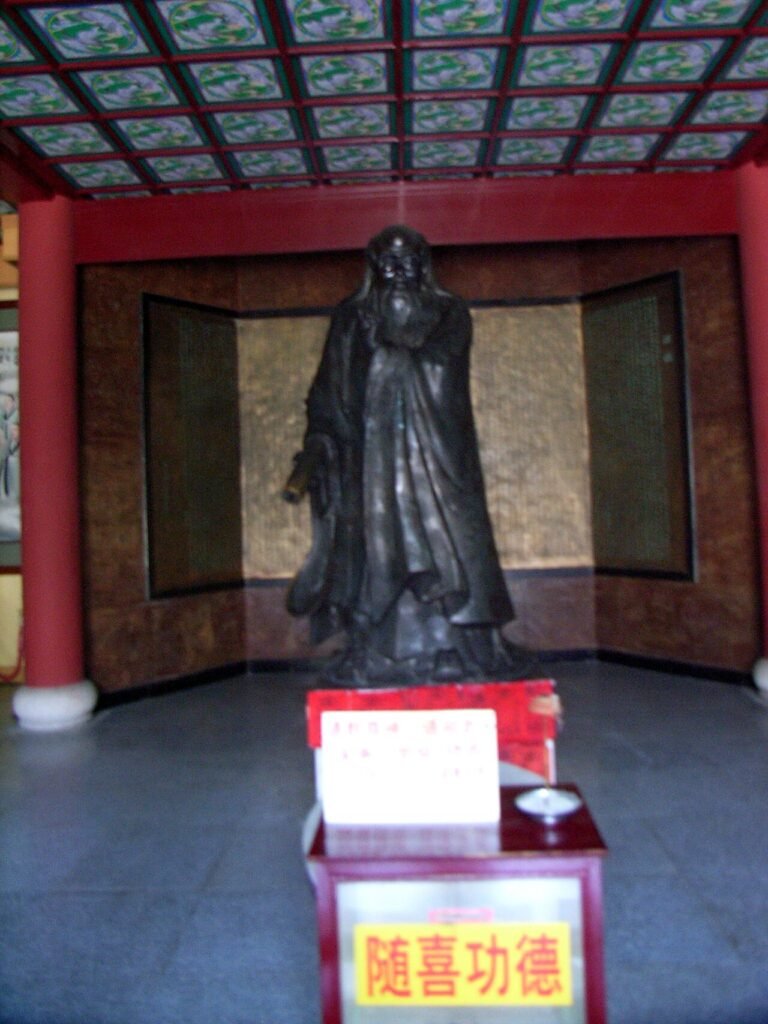
Nanyue Temple is the natural starting point and deserves real time, since its nine courtyards and mixed Taoist and Buddhist halls are the cultural core. From there, the ascent to Zhurong Peak is the set piece, with the option of a cable car for those who want to limit walking. The water-screen cave and the quieter monasteries are worth a look if your day allows. Manage expectations on scale: this is a sacred, forested mountain of moderate height, not a dramatic karst park, and the visit is better when approached as pilgrimage-and-walk than as peak-bagging.
Practical notes
- Reach Hengyang by high-speed rail from Changsha; confirm station, schedules and the foothill transfer through official sources.
- Allow one full day, or two if you want the side temples and cave without rushing.
- Pick a season by preference, flowers in spring, clouds in summer, clear sunrise in autumn, snow in winter, and check closures.
- Start at Nanyue Temple, then ascend to Zhurong Peak by path or cable car.
- Sequence Hengyang with Changsha, Shaoshan and Zhangjiajie on a Hunan route, not a separate province loop.
- Verify temple opening, cable-car operation and admission through current official sources before travel.