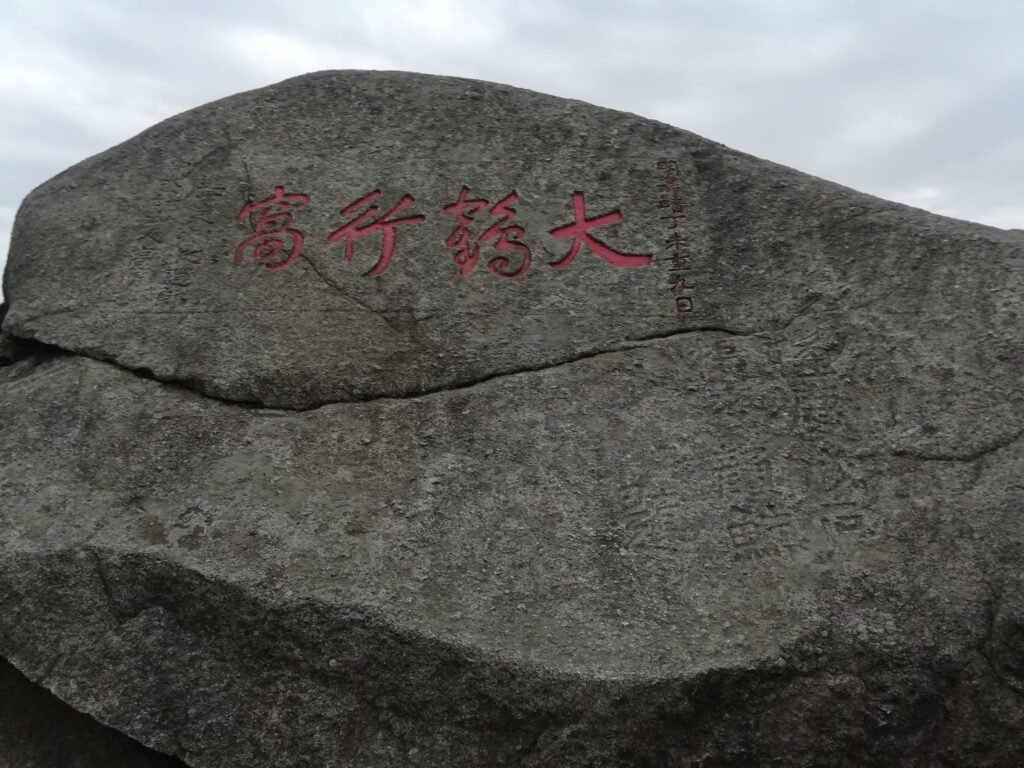
Hengyang (衡陽市) matters to a South China route chiefly because of Mount Heng, also called Nanyue, which rises in the city’s Nanyue District. Mount Heng is one of the Five Sacred Mountains of China, the southern one, and it offers a blend of pilgrimage, forested hiking and temple architecture that the region’s other stops do not. For travellers already in Hunan, it is the most accessible of the sacred mountains and a natural counterpoint to the karst spectacle of Zhangjiajie.
What Hengyang and Mount Heng actually are
The city of Hengyang is an industrial and transport centre in south-central Hunan, but the visitor interest is almost entirely at Mount Heng, a range of peaks rather than a single summit. The highest point, Zhurong Peak, is modest by mountain standards at just over thirteen hundred metres, which makes the mountain walkable rather than expeditionary. At the foot of the mountain stands Nanyue Temple, described as the largest complex of ancient buildings in southern China, with a layout of nine courtyards. The mountain has long been a site where Buddhism and Taoism coexisted, and the slopes carry temples, monasteries and pilgrimage paths that give the climb a cultural layer beyond the view.
Who it suits
Mount Heng suits travellers who want a manageable mountain day with cultural depth, who are interested in China’s sacred-landscape tradition, or who want a gentler alternative to Zhangjiajie’s dramatic peaks. It is good for older travellers and families because the height is modest and cable cars and paths reduce the effort. It is less suited to people chasing the most spectacular scenery in the province, since Hengyang’s mountain is revered more for its cultural and religious history than for raw spectacle. Treat it as a half-day to full-day cultural mountain, not as a wilderness adventure.
The sacred-mountain context
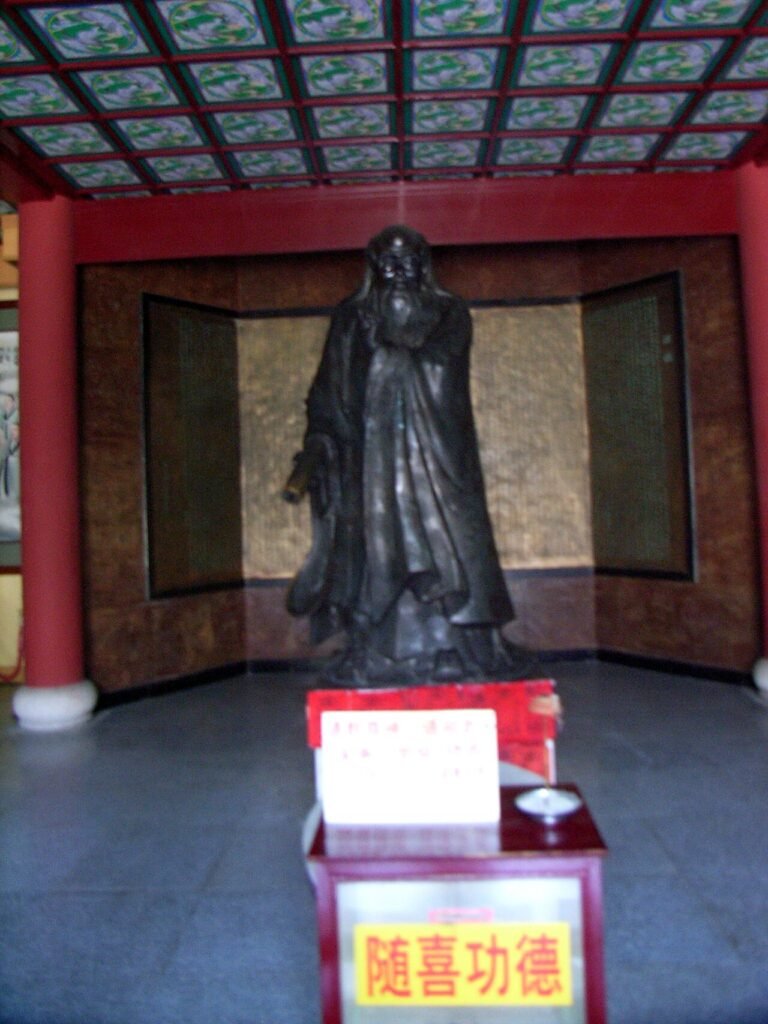
Being one of the Five Sacred Mountains gives Heng its structure as a destination. Emperors and scholars made the journey to offer sacrifice, and the mountain carries that weight in its temples and stone inscriptions rather than in a single monument. Nanyue Temple is the anchor: a large, red-and-yellow walled complex where Taoist and Buddhist halls sit side by side, a rare arrangement that reflects the mountain’s dual heritage. For a visitor, the value is in walking from the temple up through the gates and understanding the mountain as a place of practice, not just a viewpoint.
Scenery and the seasons
The range is forested and green, with the official descriptions noting very high tree cover and a reputation as a natural oxygen-rich environment. The named highlights are the height of Zhurong Peak, the seclusion of certain temples, and the water-screen cave, but the consistent draw is the wooded calm. Spring brings flowers, summer cloud seas, autumn clear sunrise views, and winter snow, so the mountain reads differently by season. None requires a special date, but winter snow and summer crowds are the two extremes worth planning around.
How it fits the Hunan route
Hengyang sits on the Beijing to Hong Kong high-speed corridor south of Changsha, which makes Mount Heng an easy detour between the capital and the west. Many travellers pair it with Shaoshan or treat it as a break on the way to Zhangjiajie, since all three lie on or near the same rail spine. It does not connect to a Guizhou or Fujian loop, and adding it there means long transfers. Within Hunan, though, its position is convenient, and a traveller already committed to the province can include it without real cost to the route.
Practical notes
- Mount Heng (Nanyue) is reached from Hengyang; confirm the specific station and transfer through official rail and local sources.
- Nanyue Temple at the foot is the cultural anchor and is worth more time than the summit alone.
- The mountain is modest in height and walkable, with cable cars and paths reducing effort for less mobile visitors.
- Choose a season by mood, flower in spring, cloud in summer, clear sunrise in autumn, snow in winter.
- Keep Hengyang on a Hunan route with Changsha, Shaoshan and Zhangjiajie rather than a separate province loop.
- Verify temple opening, cable car operation and admission through current official sources before travel.