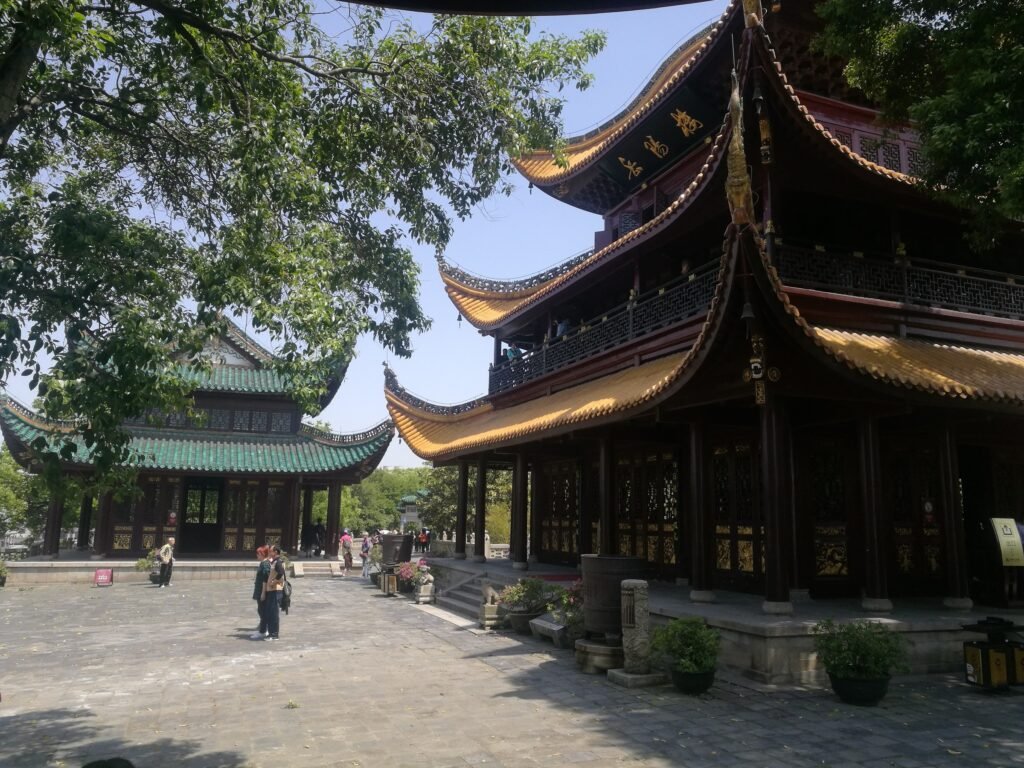
Yueyang (岳陽市) sits at the meeting point of the Yangtze River and Dongting Lake in northeastern Hunan, and its claim to a South China route rests on one building: Yueyang Tower. For travellers moving through Hunan between Changsha and the west, Yueyang is the natural lakeside stop that turns a transit corridor into something with literary and historical weight. It is a short, contained city visit rather than a destination in itself, which is exactly why it fits a route instead of dominating one.
What Yueyang actually is
The city is a provincial transport and trade hub on the Yangtze, but for visitors the focus is the lakefront. Yueyang Tower stands on the old city wall above Dongting Lake and is counted among the Three Great Towers of the Jiangnan region, alongside the Yellow Crane Tower in Wuhan and the Tengwang Pavilion in Nanchang. The current structure is a wooden building, traditionally noted for being assembled without nails, rebuilt in the Qing dynasty on a much older site. Behind it lies Dongting Lake, the largest freshwater lake in China and the seasonal flood basin that gives the tower its famous open horizon. The pairing of a single celebrated pavilion and a vast lake is the core of the visit.
Who it suits
Yueyang suits travellers who value literary and historical landmarks, who are already in Hunan, and who want a half-day to full-day stop that does not require a mountain climb or remote driving. It works well for first-time visitors to China who recognise the tower from school texts, and for anyone building a Changsha to Zhangjiajie corridor who wants one cultural anchor on the plain. It is less compelling for travellers chasing scenery alone, since the lake view is the scenery and the rest of the city is modern and functional rather than atmospheric.
The literary draw
The tower’s reputation comes as much from writing as from architecture. The Song-dynasty statesman and writer Fan Zhongyan composed the well-known essay on Yueyang Tower here, with lines about being the first to worry and the last to rejoice that have kept the site in the cultural memory for a thousand years. The essay is why Chinese visitors treat the tower as a pilgrimage more than a viewpoint. For foreign travellers the interest is calmer but real: a well-preserved wooden tower, a long lakeside wall, and an explanation of why one building matters so much to a civilisation that prizes place and prose together.
Dongting and the wider lake system
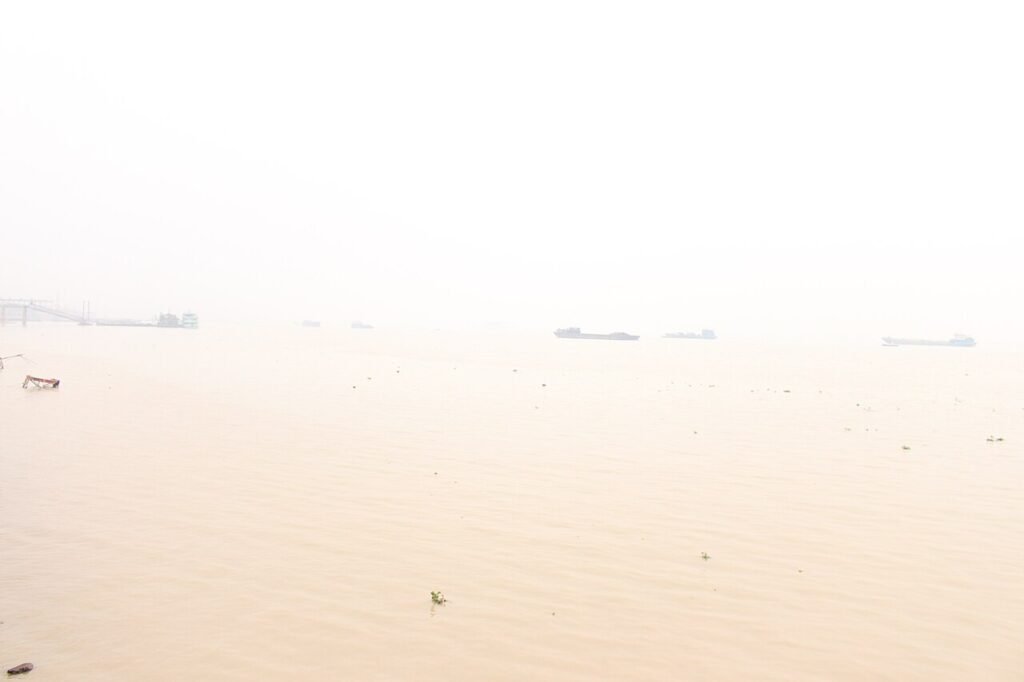
Dongting Lake is not a single postcard sheet of water but a shifting, seasonal expanse that swells in summer and contracts in winter, feeding and buffering the Yangtze. Junshan Island, a small island in the lake, is a secondary stop often paired with the tower. The lake gives Yueyang a different texture from the mountain towns of the region: flat, watery, and weather-dependent. On a clear day the horizon is the attraction; in poor weather the visit is mostly about the tower itself. Understanding that trade-off prevents disappointment.
How it fits the Hunan route
Yueyang lies north of Changsha on the Beijing to Hong Kong high-speed corridor, which makes it an easy break between the provincial capital and the route west toward Zhangjiajie. It is best used as a half-day or overnight stop rather than a base, because the city’s interest is concentrated at the lakefront. Travellers coming from Wuhan or the Yangtze also pass through naturally. It does not belong on a Guizhou or Fujian loop, and forcing it there adds long transfers for limited gain. Keep it on the Hunan plain where the rail logic already serves it.
Practical notes
- Yueyang Tower is a ticketed site; verify current opening hours and admission through official sources before you go.
- The city is on the Beijing to Hong Kong high-speed line north of Changsha, with frequent services; check current schedules.
- Pair the tower with Dongting Lake and, if time allows, Junshan Island, but plan the lake view around weather.
- Allow a half day for the tower and lakeside, or a full day if adding the island.
- The tower’s cultural weight comes from Fan Zhongyan’s essay, so a little background reading improves the visit.
- Yueyang fits a Hunan corridor with Changsha and Zhangjiajie, not a separate provincial loop.