Ganzhou is the southernmost of the seven destinations and the one most defined by being a real city, so access and sequencing are straightforward but worth planning. This guide covers how to arrive, how long to stay, when to go, and how to place Ganzhou with Nanchang and Jingdezhen.
How to reach Ganzhou
Ganzhou is on the high-speed rail network via Ganzhou West station, which connects it to Nanchang and to the wider provincial and national grid. From Nanchang the rail journey puts Ganzhou within a day-trip-able distance for an overnight, and road access is also well developed as a southern Jiangxi hub. There is an airport as well for those flying in. The practical point is that Ganzhou is easy to reach from the provincial centre, which is why it works as a southern anchor rather than a remote excursion.
How long to allow
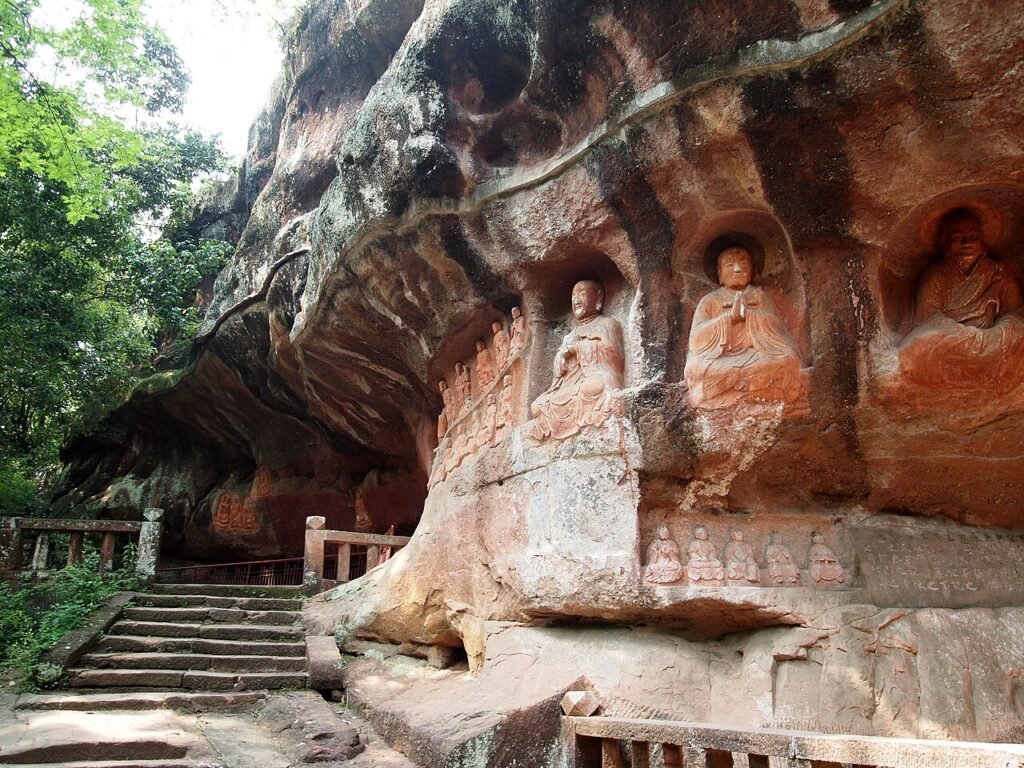
A full day covers the core: the Song wall along the rivers, Bajingtai, Yugutai, the floating bridge and a walk through the old lanes. An overnight is better, because the evening riverfront and the morning floating bridge are when the city reads most clearly, and because Tongtianyan grottoes lie outside the centre and need a separate block of time. Two nights let you add the grottoes and the Fushou drainage exhibits without rushing. Anything less than a full day leaves the wall and the towers underseen.
Best months and weather
Ganzhou has a humid southern Jiangxi climate with hot, wet summers and mild winters. Spring and autumn are the comfortable windows for walking the walls and lanes; summer is workable but hot and storm-prone, and winter is cool and dry. Because the main sights are architectural and urban, the city is visit-able across most of the year, with comfort outdoors — not access — being the main variable. Check current official sources for any site closures during festivals or maintenance.
Sequencing with Nanchang and Jingdezhen
Ganzhou belongs at the southern end of a Jiangxi route. A natural order is Nanchang → Jingdezhen → Ganzhou, or the reverse, keeping Ganzhou as the southern bookend rather than a waypoint between the two. It does not connect to a Yunnan or Guizhou route and should stay within Jiangxi planning. Because it is a city, it pairs well with a day of museum and lane walking after the more rural Sanqing or Wugong excursions, giving the trip a settled urban close.
Getting around on the ground
The heritage core is compact and walkable, with the wall, Bajingtai, Yugutai and the old lanes all reachable on foot or by short ride. The Jianchunmen floating bridge and the riverfront are best approached on foot from the old city. Tongtianyan is a separate trip a few kilometres out and needs local transport. Taxis and ride services are adequate, and the city’s scale means you are rarely far from the next sight. Build the day around walking the waterfront wall, then spiral inward to the lanes.
Two practical cautions. First, the old core’s heritage is spread along the rivers and through lanes rather than gathered in one ticketed compound, so a Ganzhou day is a walking day by design; visitors expecting a single enclosed scenic zone will misjudge the time. Second, Tongtianyan is far enough out that treating it as a casual add-on leads to a rushed half-visit — give it its own block or skip it. Within the centre, though, the wall, towers, bridge and lanes are close enough that a relaxed day covers them comfortably. Let the city’s walkable scale set the pace rather than fighting it, and Ganzhou reads as generous rather than thin.
Practical notes
- Take high-speed rail to Ganzhou West from Nanchang; verify schedules with current official sources.
- Stay at least one night; two lets you add Tongtianyan grottoes and the Fushou exhibits.
- Spring and autumn are most comfortable for walking; summer heat and winter cool are manageable.
- Walk the Song wall along the rivers; Bajingtai and Yugutai are the towers worth climbing.
- Tongtianyan is outside the centre — budget separate transport time for the grottoes.
- Confirm any tower or site admission with current official sources before travel.