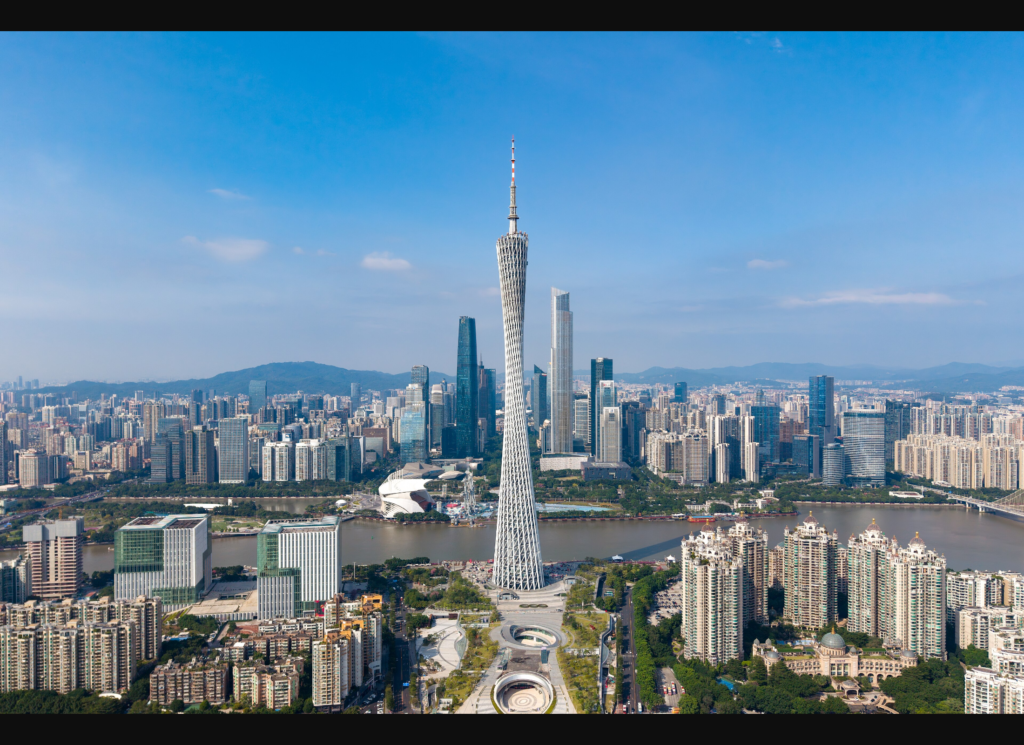
South China trips work best when the route is built around purpose, not just the map. Guangdong is usually the operational core for fairs, factories, sourcing, and major city access. Hong Kong and Macau add cross-border value, while Guangxi works well for scenic or slower extensions.
Start with the route goal, not the checklist
Many first-time visitors try to include too many names because the map makes the region look compact. In reality, a good South China route normally has one core function and one supporting layer. The core function might be business meetings in Guangdong, a hosted group route through major cities, or a mixed private trip with culture and food. The supporting layer is where Hong Kong, Macau, Guilin, Yangshuo, or a second city becomes useful.
- Personal travel: focus on pacing, hotel logic, food, and city sequence.
- Group travel: focus on movement, coach timing, meal rhythm, and realistic day structure.
- Business travel: focus on meetings, fairs, factories, and transport buffers.
Use Guangdong as the base unless the trip is mainly scenic
Guangzhou, Foshan, and Shenzhen are still the most practical operational anchors. Guangzhou works as the broadest first-stop city because it combines air and rail access, trade history, and easy transfers. Foshan is stronger for ceramics, furniture, showrooms, and supplier routes. Shenzhen is better when the route leans toward electronics, technology, modern city stays, or tighter Hong Kong connections.
If the route is business-heavy, it usually makes more sense to solve Guangdong first and then decide whether Hong Kong, Macau, or Guangxi truly improves the outcome.
Match each city to a clear role
- Guangzhou: trade access, old-city culture, Canton Fair, Beijing Road, Chen Clan Ancestral Hall, Yongqingfang, Pearl River evenings.
- Foshan: factories, martial arts, pottery history, Zumiao, Nanfeng Ancient Kiln, Qinghui Garden, Shunde food.
- Shenzhen: technology, cross-border efficiency, modern city experience, Nantou Ancient City, Dapeng Fortress, family-friendly mixed itineraries.
- Hong Kong: premium arrival point, finance, executive-level meetings, international service environment.
- Macau: hospitality, events, short premium leisure add-on, bridge-linked access from Zhuhai.
- Guangxi: Li River, Longji Rice Terraces, Two Rivers and Four Lakes, slower scenic ending after busier Guangdong days.
Build a realistic order
A common mistake is to place Guangxi in the middle of a Guangdong work route. Unless the trip is leisure-led, Guangxi usually works better at the end. It changes the pace, softens the schedule, and gives visitors a cleaner finish.
- Business-first route: Guangzhou or Shenzhen → Foshan if needed → Hong Kong or Macau only if useful → Guangxi only if there is enough time.
- Mixed private route: Guangzhou → Foshan or Shenzhen → Guilin or Yangshuo.
- Short premium route: Hong Kong → Shenzhen or Zhuhai → Macau.
Do not overpack border days
Cross-border transfers can look easy in planning and still become the most tiring part of the trip. Hong Kong, Zhuhai, and Macau are valuable, but they need buffer time. That matters even more for families, small delegations, luggage-heavy travel, and visitors with tightly timed meetings.
Simple route models that usually work
- Guangzhou + Foshan + Shenzhen: best when the trip needs trade, factories, and technology in one loop.
- Hong Kong + Shenzhen: best when time is short and the traveler wants international access plus modern mainland business or city life.
- Guangzhou + Guilin: best when the route needs one operational city and one scenic classic.
- Zhuhai + Macau + Hong Kong: best for short hospitality-led or premium leisure routes.
The strongest South China routes are not the busiest ones. They are the ones where each stop has a reason to exist.
Plan this guide in context
Use the Destinations hub to decide whether this subject fits the route. Confirm transport, entry, payments, and current operating details in the planning hub before booking.