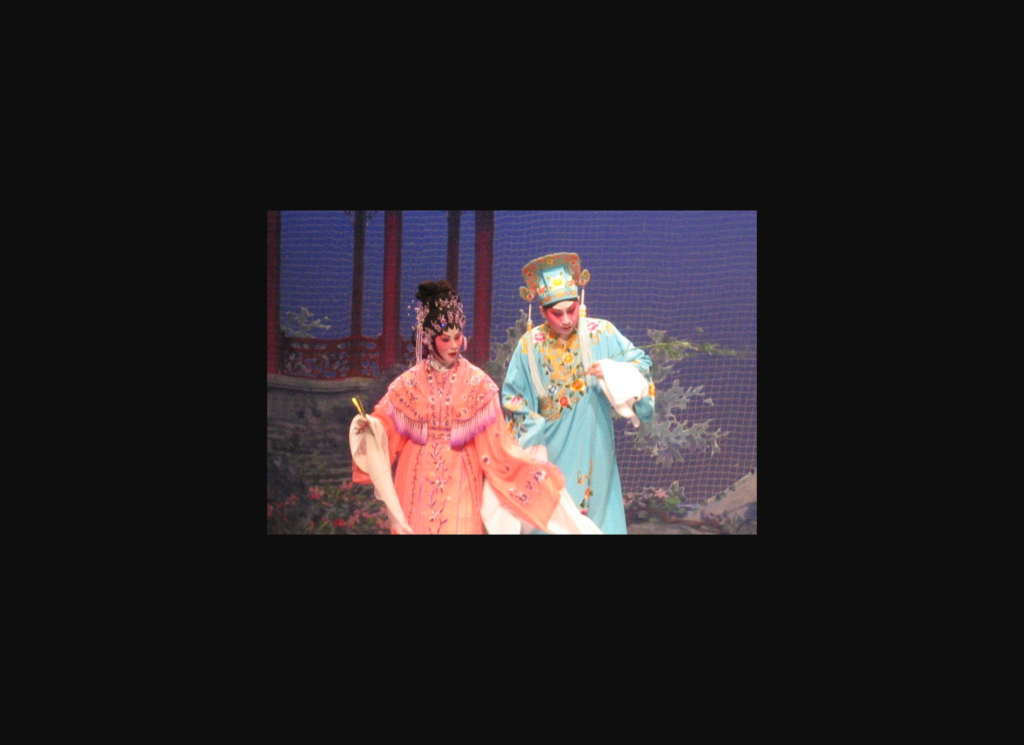
Many South China itineraries mention Guangzhou and Foshan as logistics hubs or business cities first. That is useful, but incomplete. For first-time visitors, the deeper value of the region often appears through Lingnan culture: architecture, decorative craft, old streets, opera, tea-house habits, and the way daily life stays visible in public space.
Start with the built language of Lingnan
Chen Clan Ancestral Hall in Guangzhou is one of the clearest introductions to Lingnan building culture because the architecture itself behaves like an encyclopedia of local craft. Official Guangzhou descriptions emphasize the range of decorative techniques visible there, from wood and brick carving to plaster work, pottery, color painting, and cast metal detail. For visitors, this matters because it provides a vocabulary for reading the rest of the region.
Old streets explain more than monuments do
Yongqingfang and the wider Xiguan area are useful because they show Lingnan culture at street scale. Instead of one object behind glass, visitors see arcades, lanes, old residences, food habits, neighborhood commerce, and the layered texture of a district that still feels inhabited. This is one reason old Guangzhou often leaves a stronger impression than checklist sightseeing alone.
Opera is part of the city’s public memory
Near Yongqingfang, the Cantonese Opera Art Museum gives another layer to the same district. Cantonese opera is not just a stage genre placed in an isolated theater. In Guangzhou’s older riverfront neighborhoods, it belongs to a broader world of costume, voice, rehearsal, riverside urban life, and local performance memory.
Morning tea is culture, not only food
Official Guangzhou cultural materials describe tea-house culture as more than tea and dim sum. Atmosphere, setting, tempo, and the social habit of sitting down together all matter. For visitors, that means morning tea is one of the most efficient ways to feel how local rhythm works. It is less about speed and more about settling into the day properly.
Foshan adds the hand-made and embodied side
If Guangzhou provides the broad urban language of Lingnan culture, Foshan gives it more physical force. Zumiao carries temple and martial memory. Nanfeng Ancient Kiln shows how ceramic production shaped neighborhood life. Together they make Lingnan culture feel less abstract and more lived.
For first-time visitors, Lingnan culture is easiest to understand when craft, performance, food, and street life are experienced in the same route rather than separated into different categories.
Plan this guide in context
Use the Destinations hub to decide whether this subject fits the route. Confirm transport, entry, payments, and current operating details in the planning hub before booking.